
What is the Best Colour for House Exterior Walls in Adelaide? A Painter’s Recommendation

TL;DR (Too Long; Didn’t Read)
Homeowners select the best colour for house exteriors by balancing personal taste with architectural style and fixed features. Use the Viva Painters visualiser, paint samples, or a free consultation to confirm your choice before painting.
Choosing the best colour for house exterior walls truly gets most homeowners stuck. It’s totally understandable. Interior walls offer fewer choices and factors but exterior surfaces present a myriad of decisions. A person feels overwhelmed when faced with countless options for their home’s façade.
The good news is that making this critical choice is now simpler than ever before. Digital tools like the Viva Painters Wall Colour Picker make visualisation a breeze. However, before reaching for the phone or tablet, homeowners must first address the foundational factors impacting their choice.
Recommend Key Factors to Consider When Selecting the Best Colour for House Exteriors
The Personal Preference Tonal Anchor
A person must select an exterior wall colour they genuinely love because the house needs to reflect their personality. Naturally, they must enjoy the view every single day.
If the exact colours are elusive, homeowners should consider broad tones. A natural love for warm tones suggests embracing beiges, soft browns, creams, and warm whites. If a person gravitates toward cool tones, choices like greys, clean whites, charcoals, and muted blues become good options. Finally, those who adore bold colours often settle on navy, forest green, deep terracotta, or even blacks.
However, preference is only the starting point not the final decision maker. The chosen palette needs to be practical and must agree with existing features the home’s architectural style and the surrounding environment.
Community Vibe and Neighbourly Harmony
A home is certainly a personal entity that should reflect the people living inside. Homeowners seek something unique but simultaneously desire to blend gracefully with their neighbours’ houses. A skillful choice of colours helps a house positively stand out among others. Conversely, a poor choice of colours makes the home look like a sticking-out nail and it draws negative attention.
Imagine slapping a bright red colour on exterior walls while the whole street only has neutral or muted tones. This choice could make the house look disruptive not charming. In rare cases, local authorities dictate colour choices such as for heritage-listed homes that follow strict guidelines. If a person lives in a character zone or a suburb with older federation-style homes, they must confirm any existing paint colour rules. South Australian residents can easily check local heritage zones online for clarity.

Fixed Features: Roof, Window Frames, and Gutter Palette
Features such as the roof colour window frames gutters and trims are generally fixed. They rarely change. Therefore, when selecting wall colours, a person must pick an option that complements them rather than creating a clash.
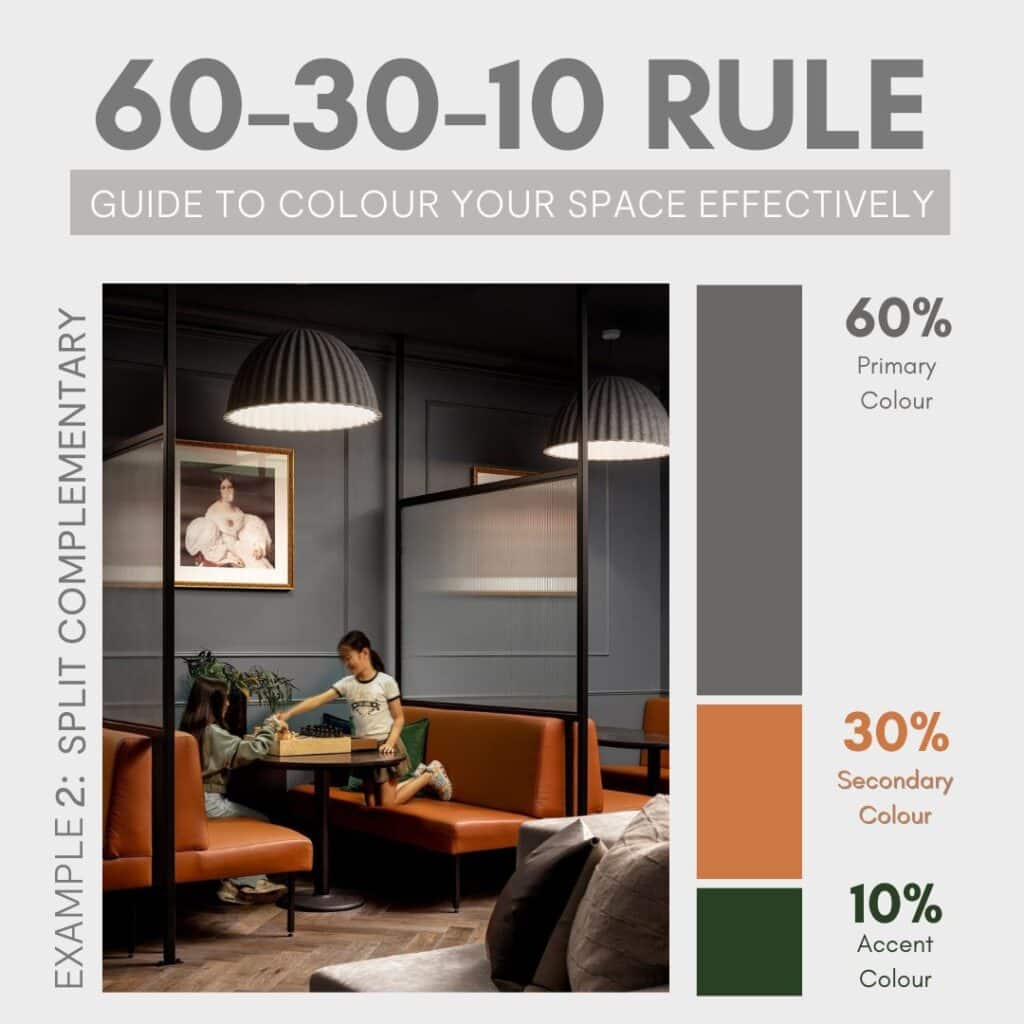
The 30-60-10 rule provides a simple guide to maintaining this harmony. The walls represent the dominant surface taking up the 60% portion of the colour scheme. This 60% needs to work effortlessly with the 30% which includes trims window frames gutters and fascia.
The remaining 10% is reserved for accent features like the front door shutters and sometimes the roof if it is not highly prominent. This 10% is the canvas where homeowners can choose to go truly bold and distinctive.
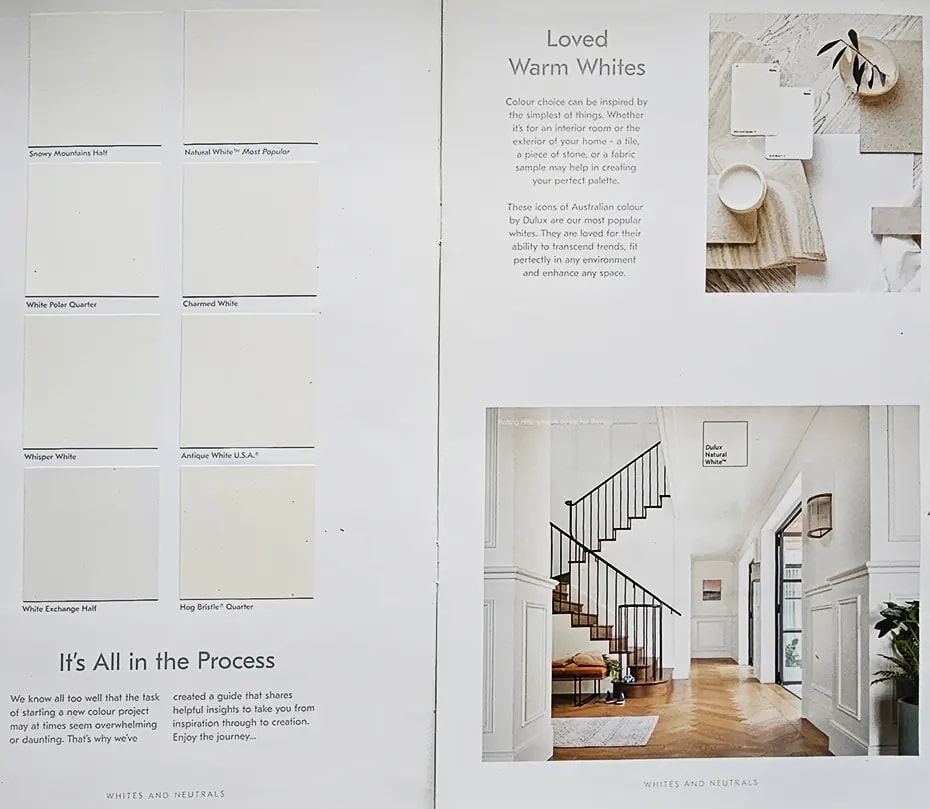
- Visualising Warm Neutrality: If the 30% features warm whites such as Dulux Natural White or Wash&Wear Antique White USA the complementary wall colour (60%) might be Dulux Linseed or Beige Linen. A person then uses a deep bold colour like Deep Terra Red or Brunswick Green for the accent features (10%) perhaps painting the front door.
- Visualising Modern Darkness: For a dark, modern scheme featuring timber elements the Dulux Domino on the walls creates a strong foundation. Using Dulux Teahouse for the trims gutters and fascia adds contrast and wood staining colours like Domino Rustic Cedar for the accent (roof) completes the beautiful combination.
Architectural Style’s Colour Cues
Older, classic design homes look amazing with warm tones while whites and blacks better suit modern homes.
For a Victorian, Edwardian, Queenslander, or any Australian heritage home, homeowners should consider colours that are warm, soft neutrals, muted greens, muted reds, muted browns, off-whites, and creams. The case differs for newer architecture. For modern townhouses, contemporary coastal homes, architect-designed minimalist homes, and luxury estates, a person will want cool greys and whites, deep charcoal and black, monochrome contrast, muted cool-toned neutrals and striking timber plus white or timber plus charcoal combos.
Show Me the Most Popular and Timeless Colour Schemes for House Exteriors
Homeowners can achieve a trendy, contemporary feel or a lasting, timeless look. Below are four combinations that always deliver impeccable results. All example paint colours are sourced from Dulux.com.au.
- Warm Neutrals & Earthy Tones Scheme: These comforting tones suit older homes, brick façades, and properties surrounded by leafy suburbs or bushlands. They evoke a natural, grounding atmosphere.
- Example combination: Ancient Ruin + Italian Clay + Guild Grey
- Coastal and Hamptons-Inspired Blues + Whites: This scheme is popular across Australia and it instantly creates a bright breezy coastal feel. It’s perfect for capturing the essence of seaside living.
- Example combination: Grey Pail + High Blue + Vivid White.
- Subtle Soft Whites and Light Grays (Timeless): This exterior colour palette is ideal for a traditional home, Hamptons style home, or any suburban property that needs a clean light and timeless aesthetic.
- Example Combination: Tranquil White + Vivid White Trims + Monument Roof
- Bold Modern Dark Schemes: Bold black colour schemes came into trend and never lost appeal for good reason. A modern minimalist black-exterior-wall house standing within a perfectly landscaped compound stands out powerfully. This scheme fits perfectly with minimalist architecture, contemporary homes, or when a homeowner seeks strong contrast with timber or bricks.
- Example combination: Teahouse + Domino
How Does a Homeowner Test and Visualise the Best Colour for House Exterior Walls?
Now a homeowner knows which factors to consider and likely has a colour combination in mind but visualisation always beats mere imagination. So how does a person test the chosen colours and eliminate remaining doubt? Three effective methods exist.
- Utilise the Viva Painters Colour Visualiser
Using a colour visualiser is one of the simplest ways to test a colour palette. The Viva Painters Visualiser makes this process incredibly simple and easy. A person chooses the surface they are painting (exterior house walls in this case) selects the home style then browses available colours or uses already curated palettes. They can then see a real-life example of how the combination blends seamlessly.
- Conduct a Physical Colour Test
The second option requires buying sample pot paint and testing them directly on the walls. A person needs to paint large squares on the exterior surface and view them under different lights to truly decide. This process can be slightly time-consuming especially if the initial choices prove unappealing.
- Schedule a Free Colour Consultation
Finally, if a homeowner desires a more expert and professional touch, they should consider scheduling a free colour consultation with a professional painter. Viva Painters Adelaide offers free colour consultation services and a person simply contacts them via their website to book an appointment.
Final Checklist: How to Ensure the Best Colour for House Success
Choosing the best colour for house exteriors does not have to be overwhelming. Homeowners simply need to keenly consider the foundational factors mentioned above and visualise their choices before the painting begins.
Here is a quick checklist for painting success:
- Match the paint colour to the home’s specific architecture.
- Consider the surrounding environment and existing landscape.
- Test and visualise the paint before committing to the actual painting.
Author: Viva Painters
Viva Painters are Adelaide’s leading painting and decorating service providers. Our blogs are written by our supervisors with industry experience and knowledge.. We publish trade based blogs which includes, how-to, news, information and other building trade related information.