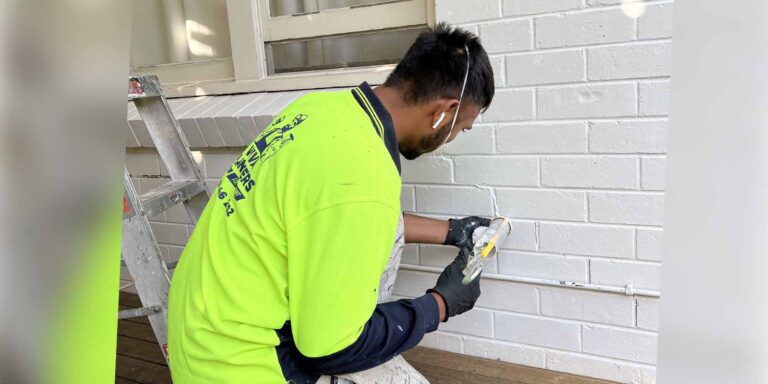

Recommended Guide: How to Patch a Hole in Wall for Drywall and Plaster

TL;DR (Too Long; Did Not Read)
A hole in a wall is not a disaster! Repairing it is simple if the right steps are followed. Small holes (nail/screw size) need only filler, drying, and sanding. Medium holes (coin size) require a mesh patch for strength before compound application. Large holes (golf ball size) are repaired by fitting a precise drywall patch and screwing it into wooden backing strips. Plaster walls use a similar compound process after cleaning debris. For seamless, professional results on major repairs, local experts like Viva Painters Adelaide handle the fix completely.
A Common Fix: Understanding Wall Repairs
A small hole in a wall is a common occurrence for any homeowner. Whether someone removed an old shelf, took down a picture, or an accident caused a dent, the wall needs fixing. Fortunately, repairing holes in both drywall and plaster is a straightforward home maintenance task. Most small blemishes disappear in less than an hour. However, bigger holes require more effort and specific materials to ensure the patch lasts for years. This guide explores the steps needed to successfully patch a hole in wall, from the tiniest nick to a hefty impact mark.
Step-by-Step Guide for Drywall Repairs
Drywall, also known as plasterboard, is the most common wall material in modern homes. The repair process depends heavily on the size of the damage.
Fixing Small Holes (The size of a pencil or nail)
Even the smallest hole needs proper preparation. Skipping this initial step often causes the repair to crack or fail later on.
- Clear the Area: Use a utility knife to lightly widen the hole’s opening. This removes the weaker, rough edges and helps the patch material stick better. Carefully scrape away any loose dust or bits of debris with a cloth.
- Fill the Hole: Apply a patch compound or spackle directly into the hole using a putty knife or filler blade. Press the compound firmly to ensure it completely fills the space. Make the surface flush, or perfectly level, with the rest of the wall.
- Dry and Smooth: Allow the compound to dry fully—this may take 30 minutes or more. Once dry, use fine-grit sandpaper to gently smooth the patched area, blending it perfectly with the surrounding wall surface.
Fixing Medium Holes (The size of a 10-cent coin)
For holes a bit bigger than a screw but smaller than a tennis ball, a simple filler is not enough. The patch needs extra support or it will crack and fall out.
- Apply a Mesh Patch: Cut a self-adhesive fiberglass mesh patch so it extends roughly 5 centimetres past the hole on all sides. Stick this patch firmly over the centre of the hole. This mesh acts like a tiny scaffolding that holds the compound.
- Apply Joint Compound: Using a joint knife, spread a thin layer of joint compound over the mesh patch. Applying the compound in a criss-cross pattern helps push the material into the mesh holes. Make sure the edges are “feathered,” meaning the compound is scraped thinner as it extends outward, which helps it blend.
- Sand for Flawlessness: Let the first layer dry completely (check the product instructions). Apply a second, very thin layer of compound if needed, and let it dry. Finally, lightly sand the entire area until it feels smooth and level to the touch.
Licenced Painters Adelaide

Free Quotes

Qualified Painters

5Yrs Warranty
Licenced Painters Adelaide
Free Quotes
Qualified Painters
5Yrs Warranty
Fixing Large Holes (The size of a golf ball or bigger)
Large-scale damage requires replacing the damaged section of drywall with a new piece, an advanced technique often called a “patch.”
- Shape the Hole: Most large holes are messy and irregular. Use a drywall saw to cut the damaged area into a neat, square or rectangular shape. A regular shape makes measuring and fitting the new piece much simpler.
- Install Backing Supports: Since the new drywall patch needs something solid to attach to, pieces of timber (like scrap wood or furring strips) must be installed inside the wall. Insert one timber strip on each side of the hole vertically. Screw these strips into the existing drywall using drywall screws to hold them firmly in place.
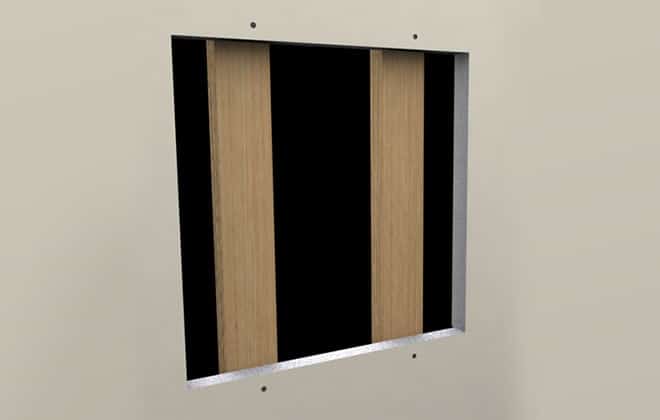
- Cut and Fit the Patch: Measure the newly squared-off hole accurately. Cut a piece of new drywall to match these measurements exactly. Place the patch into the hole; it should fit securely against the backing strips. Secure the patch to the timber supports with more drywall screws.
- Seal and Finish: Cover the seams, or joints, between the old wall and the new patch with mesh joint tape. Next, apply a generous layer of joint compound over the tape, filling any gaps and covering the screw heads. Spread the compound smoothly and feather the edges.
- Layer and Smooth: Let the compound dry fully, then apply a second thin coat. This is often necessary to hide the tape and make the patch truly level. Once the second layer is dry, sand the entire area carefully, ensuring a perfectly smooth finish ready for paint.
Tackling Repairs on a Plaster Wall
Plaster walls, common in older Australian homes, are generally stronger but can crumble when damaged. The patching steps for plaster are similar, but with fewer size variations.
- Prepare the Surface: Scrape along the edges of the hole to remove all weak, loose, or crumbling plaster and mortar. Clean the entire area using a dry brush or vacuum to remove dust and debris. Wipe it clean with a slightly damp cloth to ensure the repair material has a clean surface to bond with.
- Fill the Cavity: For small holes, a standard patch compound is often enough. For a bigger hole in a thick plaster wall, the hole might be very deep.
- Pro Tip: To save on patching compound, some use a wire mesh or metal lath installed deep inside the hole for support. The traditional method is to fill the hole with a prepared patching compound.
- Mix and Apply Compound: Mix the plaster patching compound to a consistency that resembles stiff oatmeal—if it is too watery, it will sag. Apply the mixture into the hole until the patch is flush with the surrounding wall.
- Dry and Finish: Let the compound dry for the time recommended on the packaging (plaster repairs often take longer). Finally, sand the dried patch until the surface is smooth and completely level with the old wall.
The Final Touch: Priming and Painting
A perfect patch job is only half the battle; paint is what makes the repair disappear entirely.
- Prime: For small repairs, priming is optional. However, any medium or large repair must be primed. The patching compound absorbs paint differently than the old wall, and a primer coat seals the patch, preventing a noticeable difference in texture or colour known as “flashing.”
- Paint: Do not try to only paint the patched area. The new paint will likely look different from the aged paint on the existing wall. For a flawless result, the entire wall section or, ideally, the whole wall, should receive a fresh coat of the exact same colour paint.
Finding the Best Local Experts for Wall Repair in Adelaide
While following these steps will help homeowners handle minor wall damage, some jobs are simply too big or too tricky for a do-it-yourself fix. Large holes, major cracks, or textured walls need a professional’s precision to look truly invisible.
When the repair job feels overwhelming, homeowners in the area turn to licensed professionals. Viva Painters Adelaide offers painting and prep services, including seamless wall repairs. The team handles the entire process—patching the surface, priming the area, and painting the wall—leaving the finish smooth and completely blended.
Author: Viva Painters
Viva Painters are Adelaide’s leading painting and decorating service providers. Our blogs are written by our supervisors with industry experience and knowledge.. We publish trade based blogs which includes, how-to, news, information and other building trade related information.